
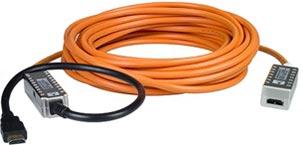
Fiber Optic Extender
A fiber optic extender sends HDMI, DVI, or USB over multimode or singlemode fiber past Cat5/Cat6 distance limits, from hundreds of feet up to 10 km. Use fiber for campus, building-to-building, and EMI-noisy runs. Call (216) 798-7530 for fiber type, connector, and max length. 4K60 only where the SKU sheet lists it.
Browse products
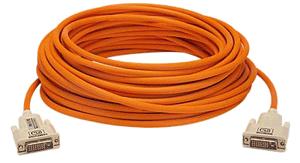
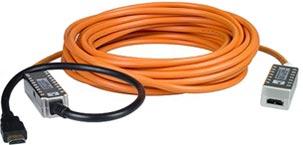
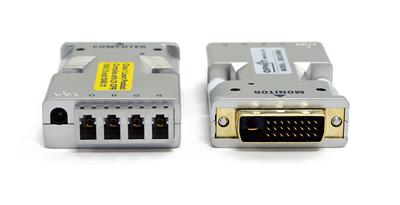
Fiber Optic Extender
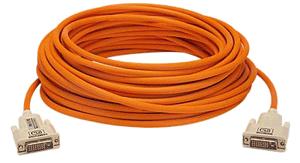
DVI Extender over Four Multimode Fiber Optic Cable up to 3280FT
$600.00
$1,500.00
In stock

Fiber Optic Extender
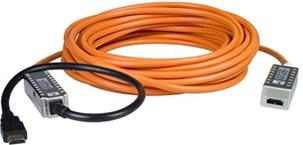
4K Fiber Optic HDMI Extender - 3300 FT/1000M - 4K@60Hz w/ IR, RS-232, HDMI 2.0 Support
$669.00
$1,299.00
In stock

Fiber Optic Extender
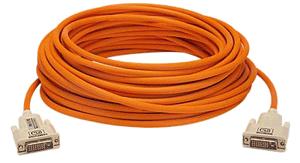
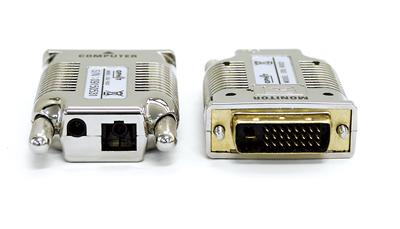
DVI Extender over Single Multimode Fiber Cable up to 3280FT
$745.00
$999.00
In stock
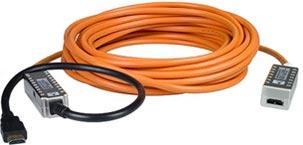

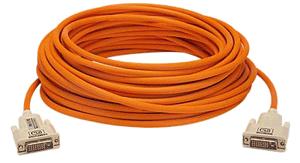

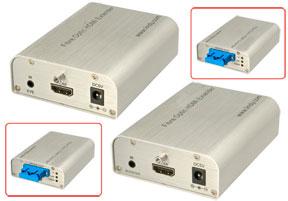
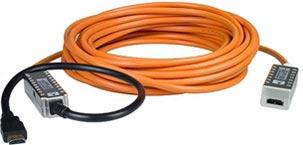

Fiber Optic Extender
DVI-AFO-EXT DVI Fiber Optic Extender Single Link upto 3300ft
$960.00
$1,500.00
In stock
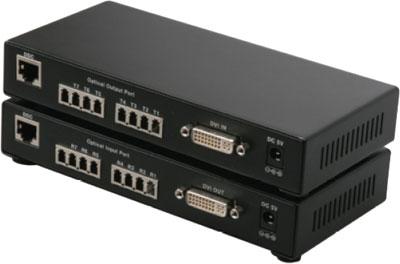
Fiber Optic Extender
DVI Dual Link Fiber Extender over Multimode Fiber Optic Cable up to 328FT
$975.00
$1,800.00
In stock
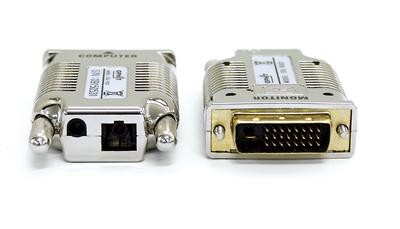
Fiber Optic Extender
DVI Extender with EMI Shielding over Single Multimode Fiber Optic Cable up to 3280FT
$999.00
$1,200.00
In stock
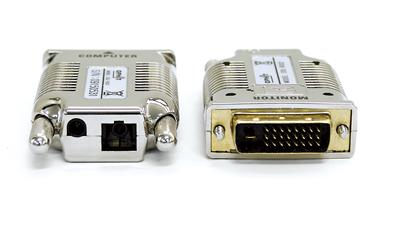
Fiber Optic Extender
DVI Extender with EMI Shielding over Single Multimode Fiber Optic Cable up to 3280FT
$999.00
$1,200.00
In stock
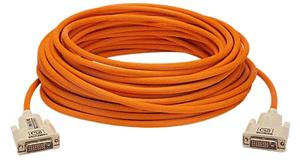

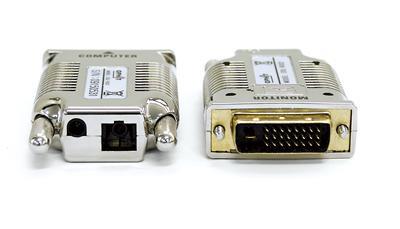
Fiber Optic Extender
DVI-AFO-EXT-EMI DVI Fiber Optic Extender with EMI Shielding Single Link upto 3300ft
$1,099.00
$1,500.00
In stock
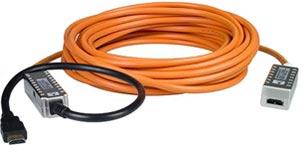
Fiber optic extender vs Cat5/HDBaseT extender
A fiber optic extender is the long-distance choice when copper cabling is too short, too noisy, or too exposed to electrical interference. Cat5, Cat6, and HDBaseT extenders are practical for many in-building HDMI and KVM runs, especially around 330 ft and below. Fiber is better for campus links, building-to-building paths, machine rooms, production floors, and any run where EMI, ground loops, or distance make copper risky. Keep shorter copper jobs on a Cat5 HDMI extender; choose fiber when the project needs hundreds of feet, kilometers, or electrical isolation.
HDMI vs DVI vs USB over fiber
Start with the signal, then choose the extender. HDMI fiber SKUs are used for displays, projectors, signage, control rooms, and AV sources. DVI fiber SKUs fit legacy digital video from servers, medical systems, industrial PCs, and workstations. USB over fiber is for keyboard, mouse, touchscreen, camera, storage, or peripheral access at the far end. Some products carry video and USB together, but do not assume full KVM behavior unless the SKU sheet says the unit extends keyboard, video, and mouse over fiber.
Multimode vs singlemode, and typical distance
Multimode fiber is common for shorter structured-cabling runs inside a building or campus. Singlemode fiber is preferred for the longest links and can reach up to 10 km on supported USB or AV extender models. Connector type, fiber count, optical module, and bandwidth all matter, so match the product sheet to the cable that is already installed. If the fiber path is not installed yet, call before ordering so the extender, cable type, connector, and distance are specified as one system.
When 4K30 vs 4K60
Do not treat every fiber optic extender as a 4K60 product. Some HDMI fiber units are 4K30-class, some DVI products are built around 1920x1200, and select HDMI 2.0 or DisplayPort-class products may list 4K60. The product grid can contain several signal types and generations, so resolution must be confirmed SKU by SKU. If a project depends on 3840×2160 @ 60 Hz, HDCP, EDID handling, USB, RS-232, or IR control, verify those features on the specific product sheet before quoting.
| Need | Choose |
|---|---|
| Under ~330 ft, copper OK | Cat5 HDMI extender |
| 330 ft–10 km, EMI, campus | fiber optic extender |
| HDMI display | HDMI fiber SKU in this grid |
| DVI source | DVI fiber SKU |
| Keyboard/mouse at the far end | USB over fiber SKU, or KVM over fiber if the sheet says so |
Need help choosing fiber type, connector, distance, and signal support? Call (216) 798-7530.
Fiber Optic Extender FAQ
What is a fiber optic extender?
A fiber optic extender sends video, USB, control, or KVM signals over fiber cabling instead of copper. It is used when the run is too long for standard HDMI, DVI, USB, Cat5, or HDBaseT cabling.
Fiber vs Cat5?
Use Cat5 or HDBaseT for shorter copper runs when distance and electrical noise are controlled. Use fiber for longer campus runs, building-to-building links, high-EMI areas, or projects that need electrical isolation.
How far?
Distance depends on the SKU, signal, fiber type, and connector. Some models cover hundreds of feet, while supported singlemode products can reach up to 10 km.
HDMI and DVI on the same unit?
Some extender families are signal-specific, while others support multiple inputs or conversion. Confirm the exact product sheet before assuming HDMI, DVI, USB, RS-232, or IR support on the same unit.
Confirm the right fiber optic extender before you buy. Call (216) 798-7530 for help with HDMI, DVI, USB, fiber type, connector, and distance.
Filters